
Designing a Home With a Family in Mind

Designing a Home With a Family in Mind
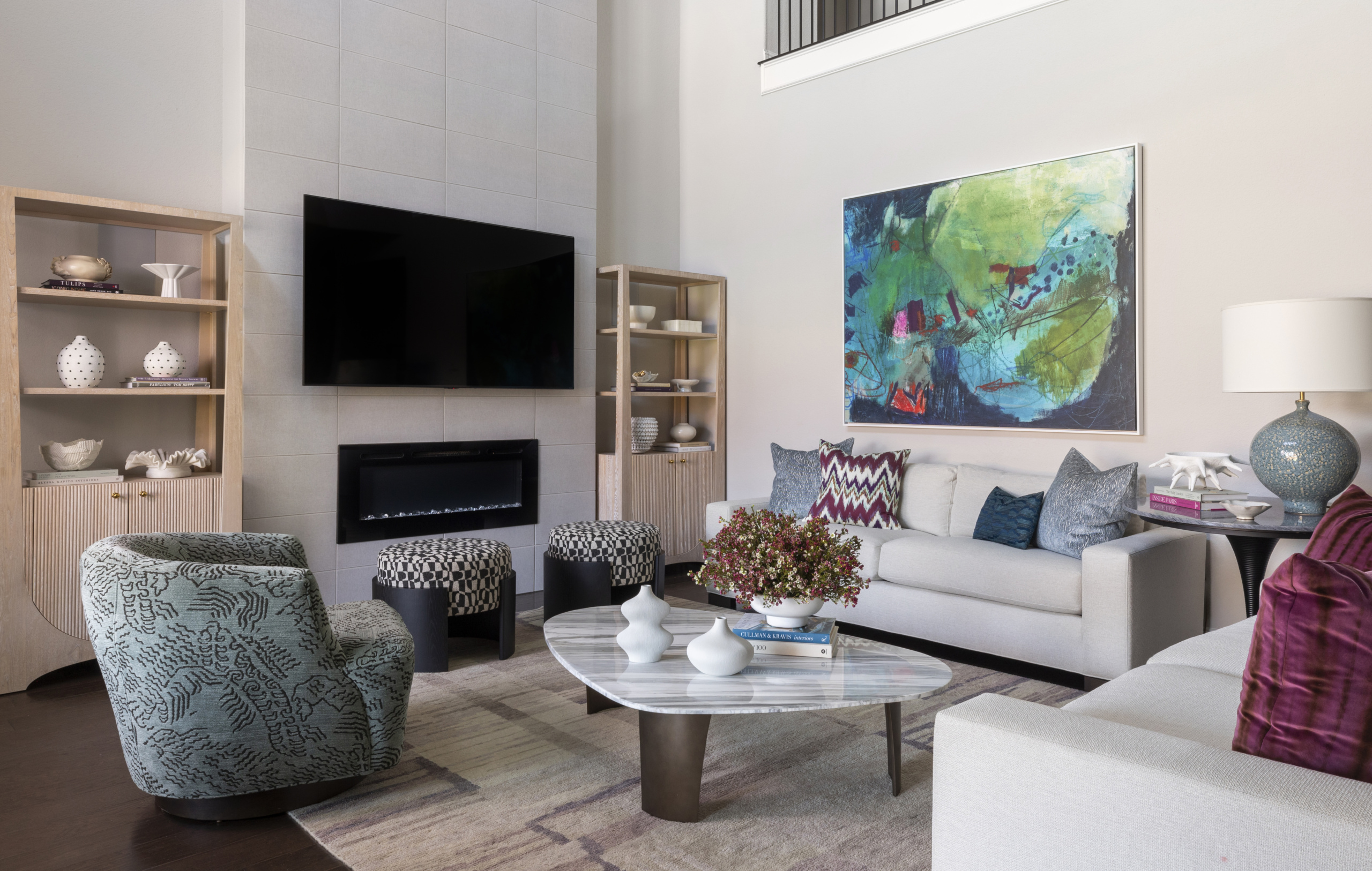
Having kids doesn’t mean you have to put beautiful design on hold. In fact, some of the best design decisions come from really understanding how a family lives and creating a home that can keep up with them. As a mom of three, I know firsthand that life at home can be messy. Cheeto dust gets wiped on the sofa. Mud gets tracked inside. Juice gets spilled. Markers inevitably end up somewhere they shouldn’t. That’s normal life with kids, and I don’t believe your home should make you nervous every time one of them makes a mess. The key is choosing materials, furniture, and storage intentionally from the beginning.
 Choose Fabrics That Can Handle Real Life
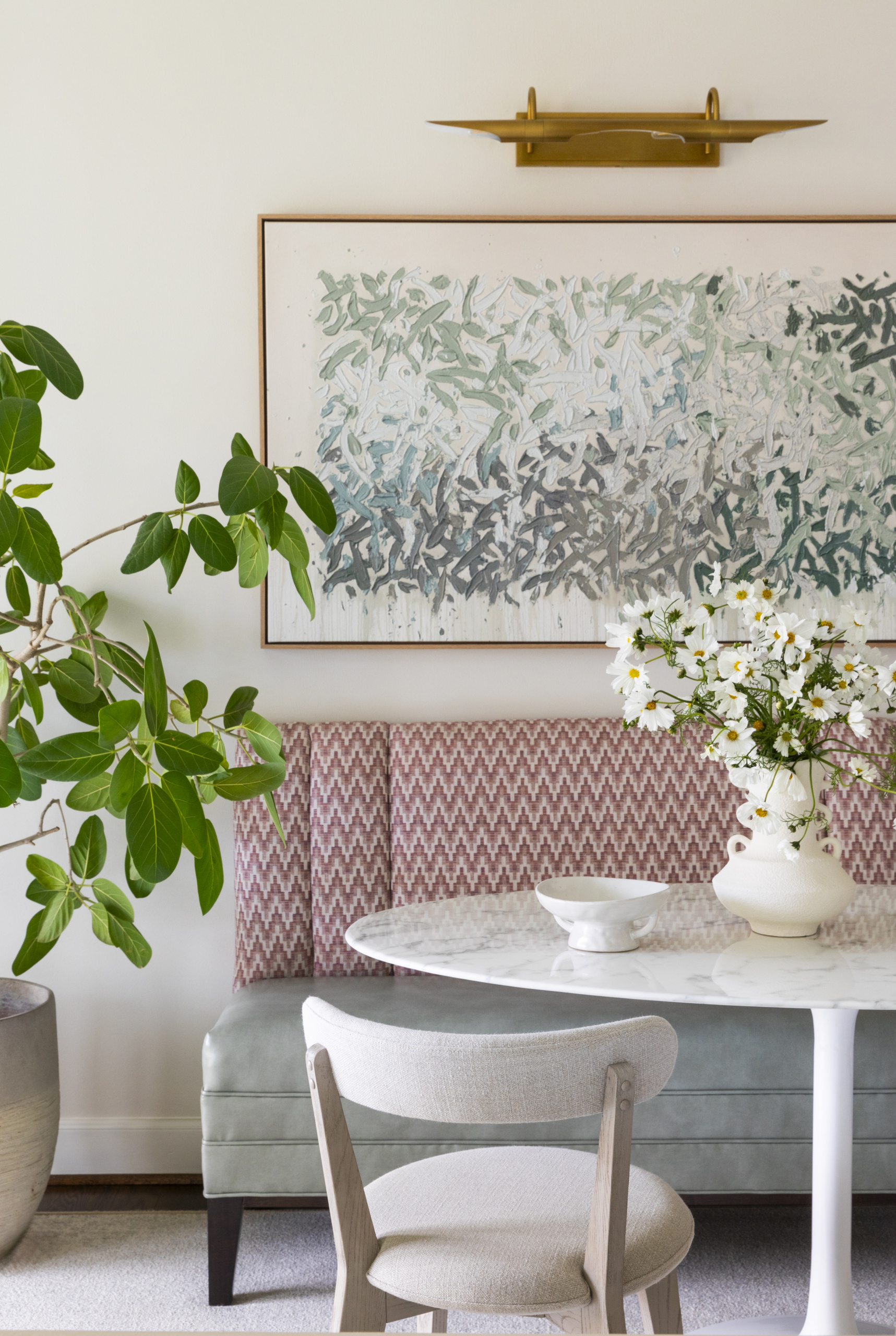
Performance fabrics are one of my favorite tools when we’re designing for families. There are so many beautiful options available now that choosing something durable doesn’t mean sacrificing style. We especially consider performance when selecting fabrics for the pieces that get the most use, like sofas and breakfast nooks. These are the places where sticky hands, spills, and everyday wear are inevitable. The goal isn’t to create a home where nothing can ever be damaged. It’s to make thoughtful selections that allow you to actually enjoy your home without constantly worrying about it.
 Think About How Your Furniture Will Really Be Used
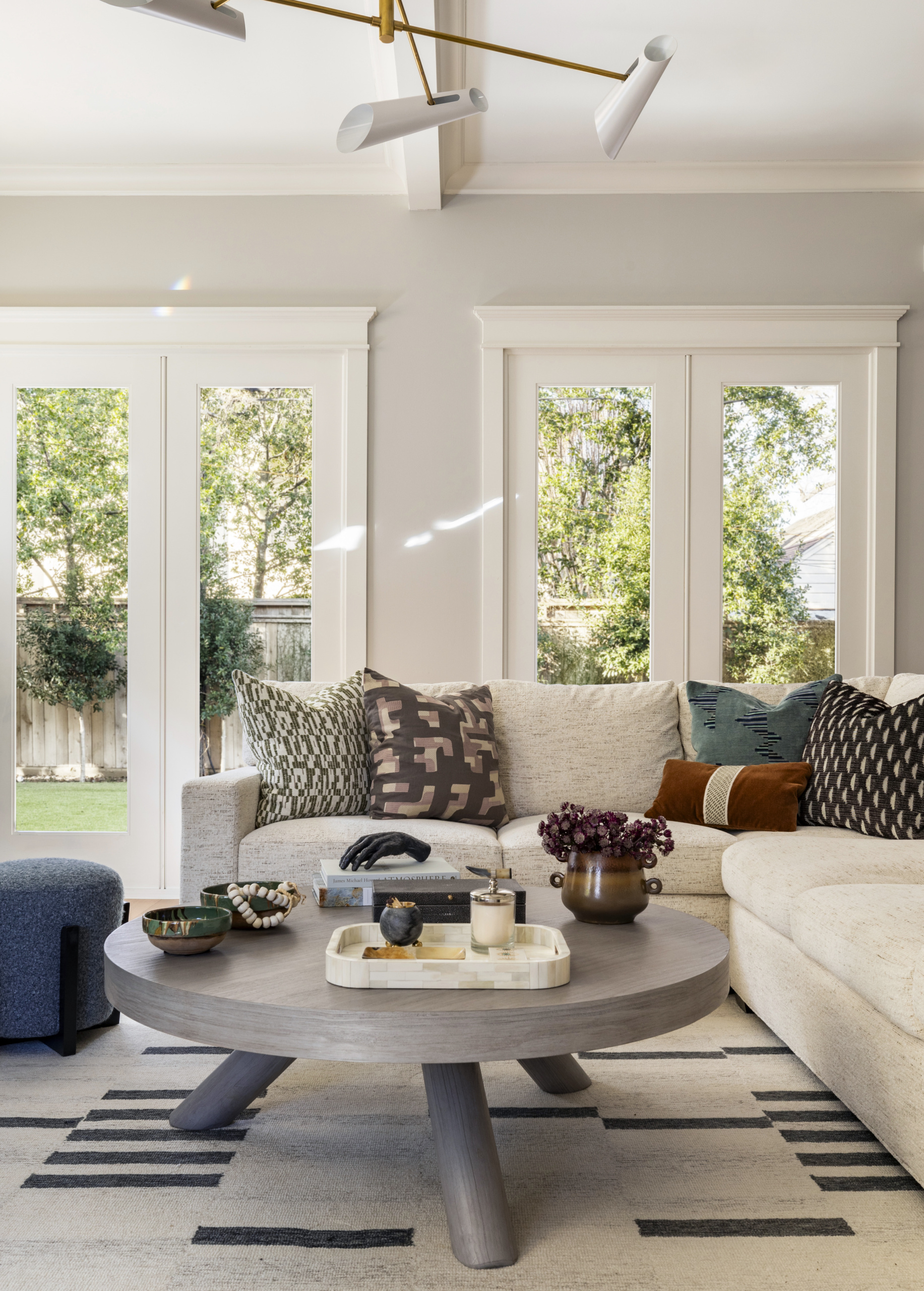
Before choosing a piece of furniture, think beyond how it looks and consider what will actually happen around it. If you have little ones who love to climb, for example, a glass-top coffee table probably isn’t the best choice. Enough said. Instead, we might choose something substantial in wood or certain types of stone that can stand up to everyday use. Beyond being more practical, these materials can also make the design more interesting by introducing another layer of texture, warmth, or dimension. This is why designing around the way you live matters so much. The “perfect” piece isn’t perfect if you’re constantly telling everyone not to touch it.
Give Everything Somewhere to Go
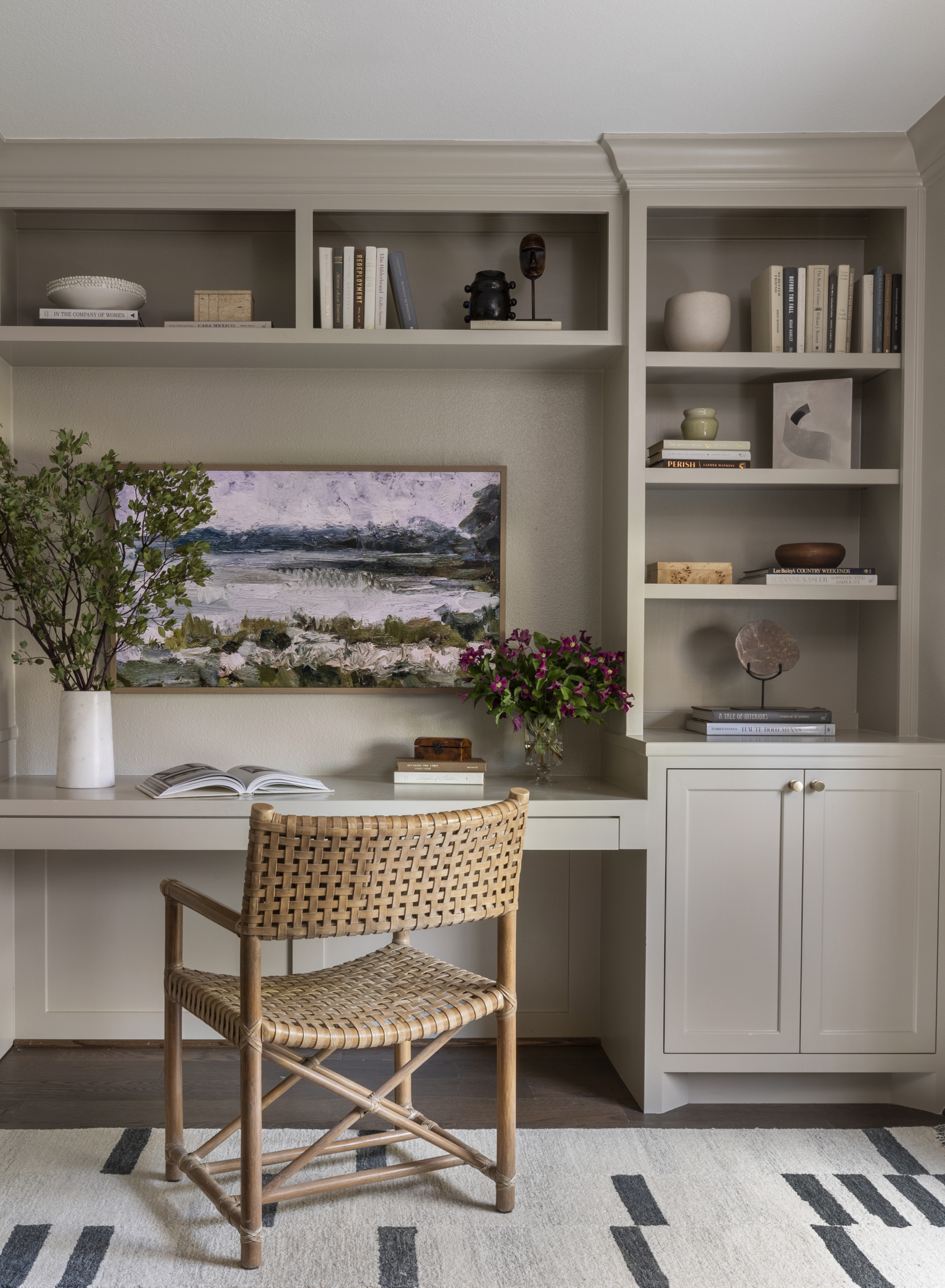
If there’s one thing families can never have too much of, it’s storage. We look for opportunities to incorporate storage throughout a home, whether that’s built-in cabinetry, drawers tucked into handy places, closed storage beneath a window seat, or furniture that can do double duty.
And not everything needs to be completely hidden away. Sometimes it’s simply about containing the everyday things in a way that still feels intentional. This is my reality at home every day. My coffee table currently has a tray filled with coloring pages and a decorative box filled with markers. The kids can easily get to everything they use, but because it’s corralled into pieces that work with the room, it doesn’t feel like the craft cabinet exploded across my living room. That’s the kind of functionality we’re always thinking about when designing a home.
A family home doesn’t need to be precious to be beautiful. We want our clients to host friends without worrying about someone spilling a glass of wine. We want kids to be able to curl up on the sofa after a long day of playing outside and actually enjoy the spaces we’ve created for them. Beautiful design and everyday function shouldn’t be competing priorities. When the right decisions are made from the beginning, they work together. Because ultimately, an elevated home isn’t one that always looks perfectly untouched. It’s one that’s thoughtfully designed for the people who actually live there.